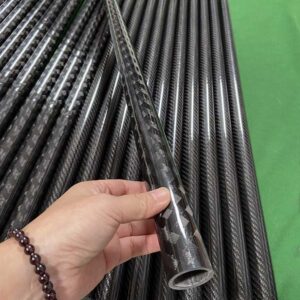
Introduction to High-Performance Carbon Fiber Tubes
A premium carbon fiber tube offers many real benefits that old materials cannot match. In high-performance product design, small raw material details determine whether a project succeeds or fails. Therefore, for OEMs, machinery brands, and global buyers, learning how factories make these parts remains critical. This technical knowledge helps distributors buy stable and reliable product lines. Consequently, you can avoid regular product failures over long lifecycles.
Traditionally, manufacturing industries relied on heavy metals such as aluminum, steel, and titanium for structural frames. However, we use advanced carbon fiber tubes today because they provide much higher strength-to-weight and stiffness-to-weight ratios. Sourcing managers often faced massive weight and transport issues when buying traditional metal options. Luckily, our specialized production lines guarantee maximum weight savings. As a result, you get excellent shape stability under hot or freezing workshop environments.
Industrial designers now use these rigid elements across hundreds of heavy-duty commercial setups. For example, these tough parts work perfectly inside tactical ladders, deep-sea exploration tools, and high-load automated machinery. Our workshop also ensures great fatigue resistance. This feature ensures each finished piece withstands heavy directional stress during daily use. In conclusion, worldwide B2B buyers can scale their shop networks with complete confidence and zero quality dropouts.
Carbon fiber raw material
The primary raw material is Carbon Fiber Fabric with Epoxy Resin or Fiberglass.
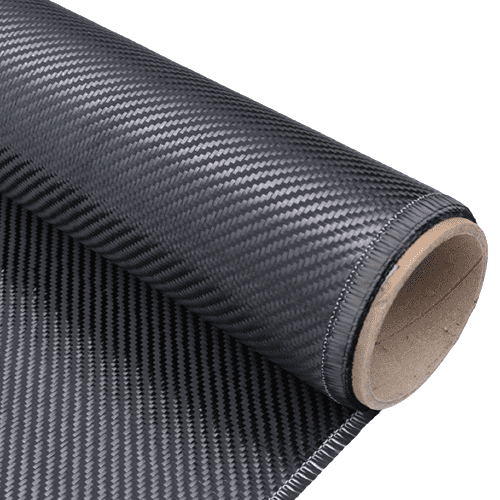
Carbon Fiber Fabric is made of carbon fiber by woven unidirectional, plain weaving, or twill weaving style. The carbon fibers we use contain high strength-to-weight and stiffness-to-weight ratios. Carbon fabrics are thermally and electrically conductive and exhibit excellent fatigue resistance. When properly engineered, carbon fabric composites can achieve the strength and stiffness of metals at significant weight savings. Carbon fabrics are compatible with various resin systems, including epoxy, polyester, and vinyl ester resins.
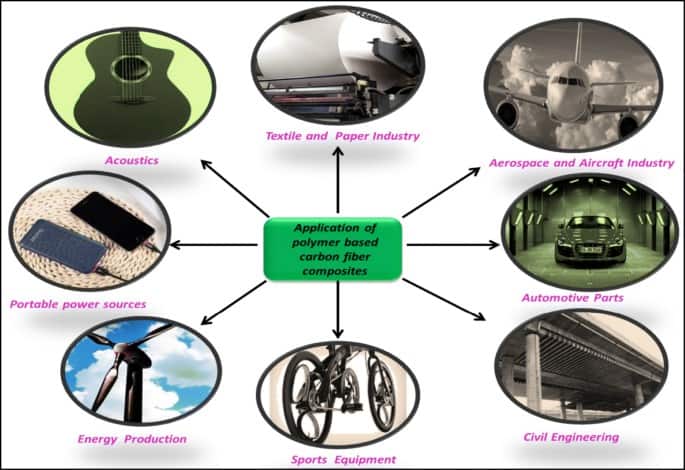
Characteristics and applications of carbon fiber
The main characteristics are:
- High specific strength, high elasticity
- Fatigue resistance
- Thermal stability
- Conductivity
- Anti-vibration attenuation performance is superior
- Chemical stability
- Corrosion resistance
- Lightweight
- Non-toxic biological toxicity
The main applications are:
- Aviation, aerospace, transportation, wind turbines, civil engineering, and pumping rods
- Plate spring, helicopter rotor, and the high-speed rotary body
- Electronic equipment, precision machining equipment, satellite equipment, instruments, weapons, and equipment
- Electrodes, composite core wire, and the electromagnetic shield
- Machine arm, racket, fishing rod, golf pole
- C / C composite materials, high-pressure vessels, chemical equipment
- Chemical equipment, electrode materials, marine pipelines, oil tanks, and building reinforcement materials
- Automotive, aerospace, sporting goods
- Medical supplies
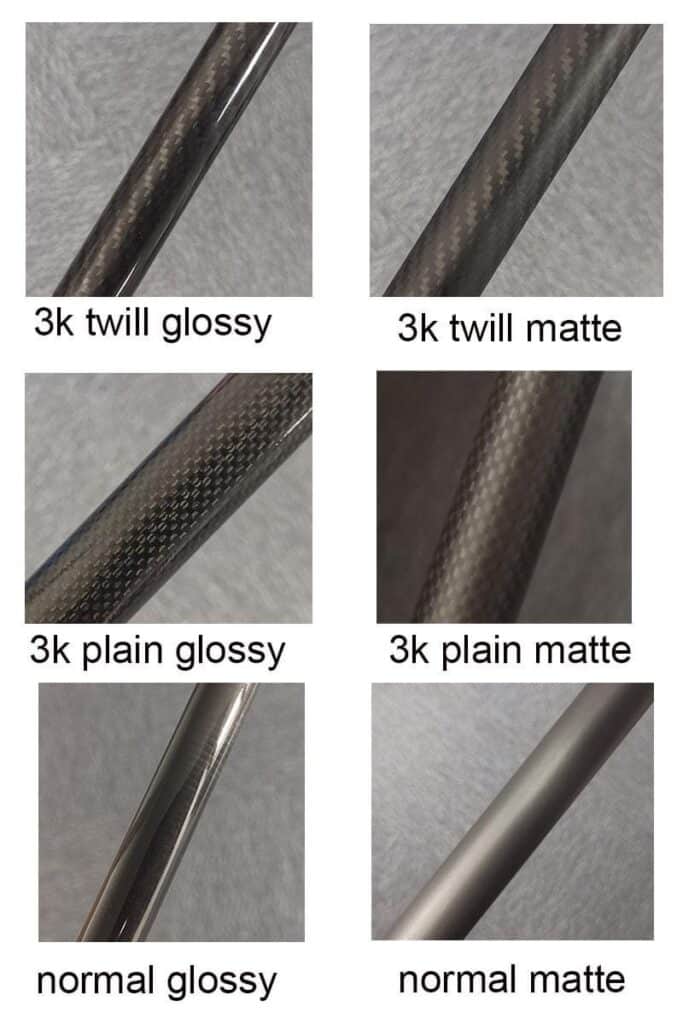
Carbon fiber Prepreg weave
1K 3K 6K 12K or UD
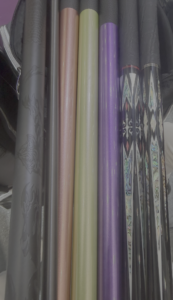
Carbon Fiber Pipe Surface
The tubes weave: plain/twill/glossy/matte/UD
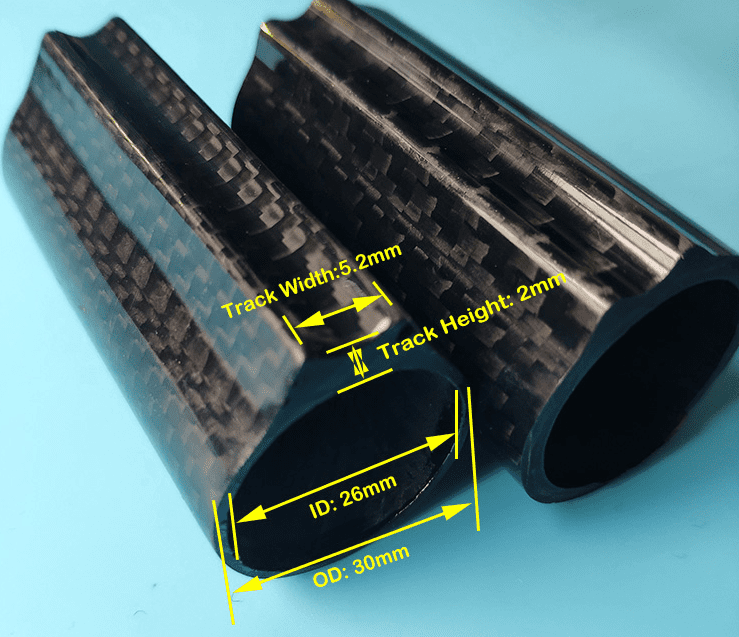
The Size
- Inner Diameter from 3mm to 60mm
- Wall Thickness:0.5mm, 0.75mm, 1mm, 1.5mm, 2mm, 3mm, 4 mm
- Length:1000mm,1200mm,1500mm,2000mm
- Or custom wall thickness, length, or surface.
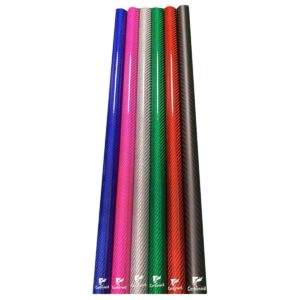
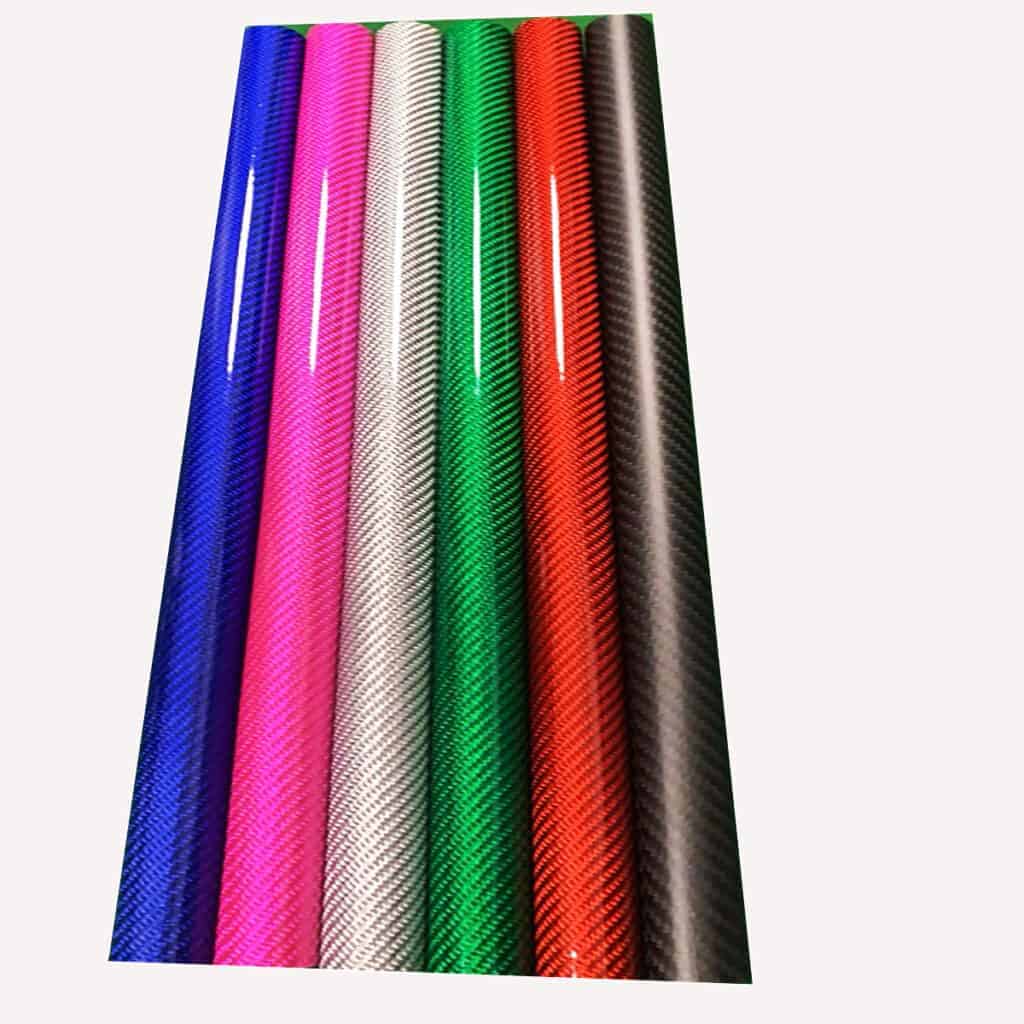
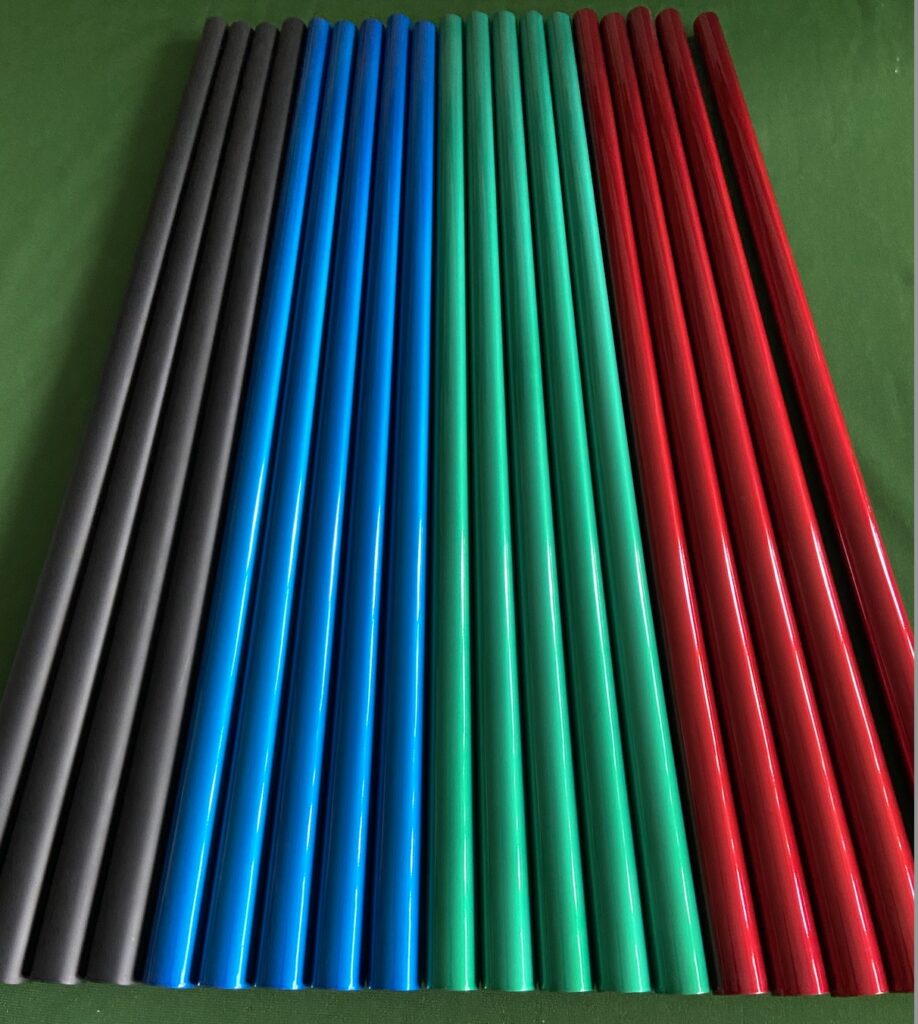
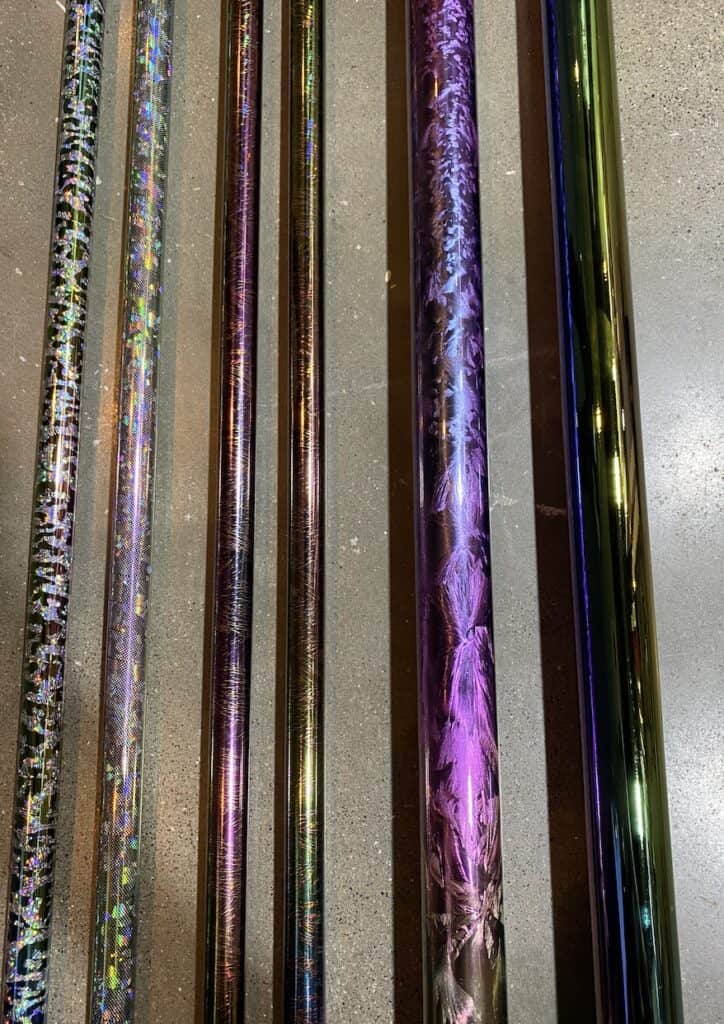
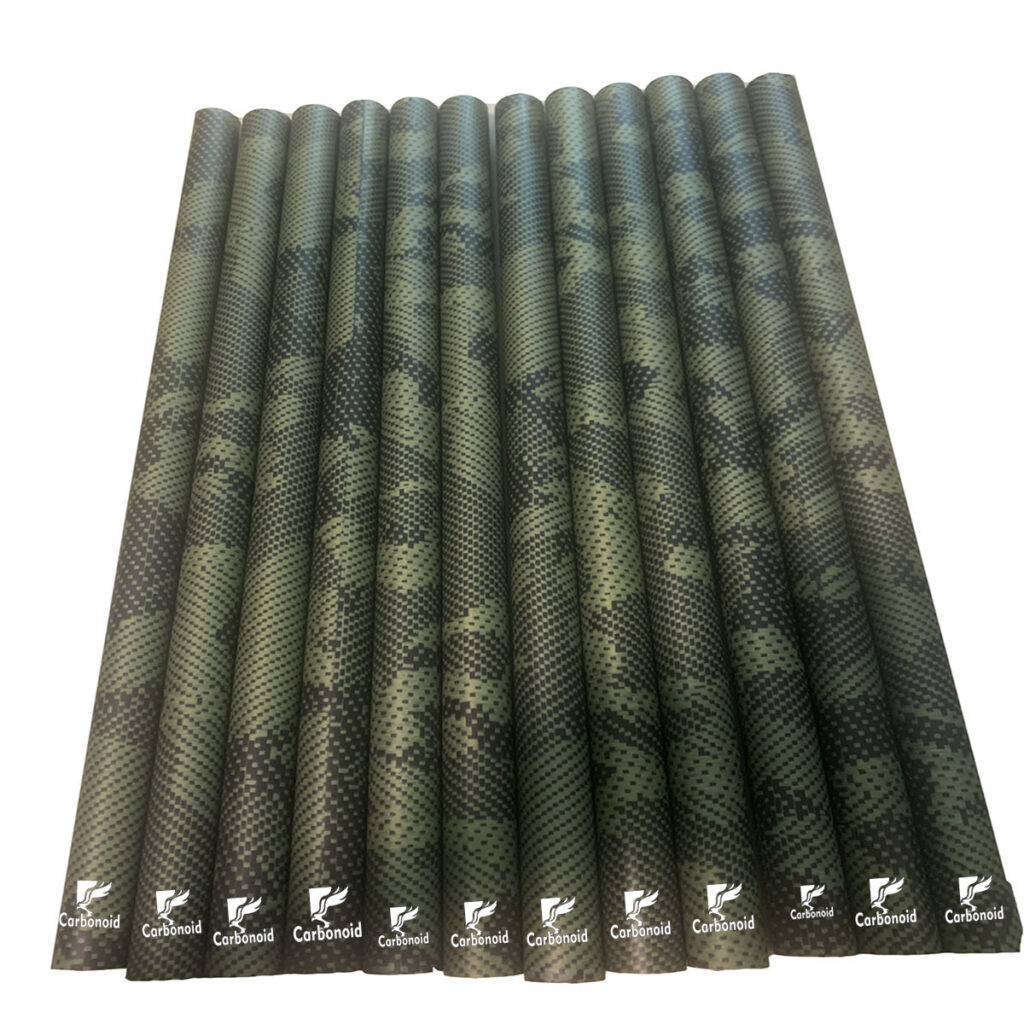
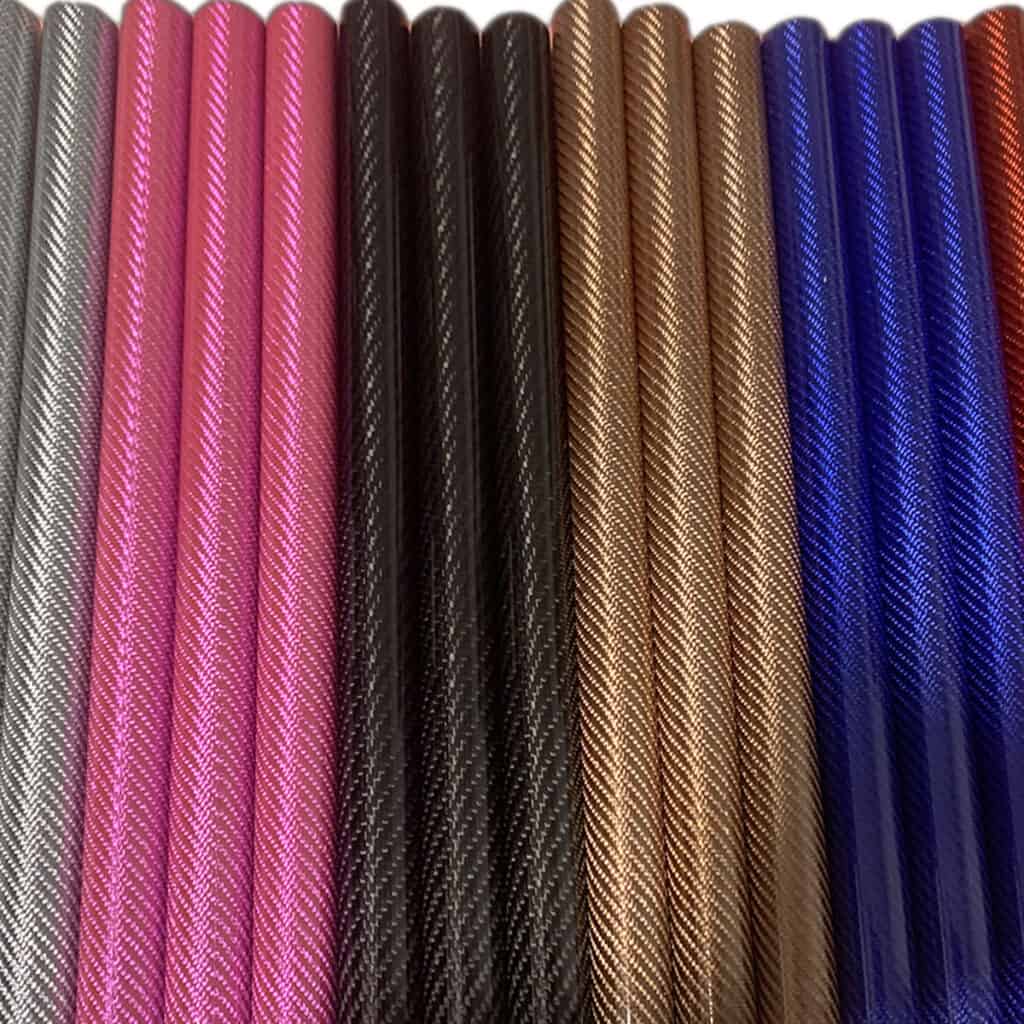
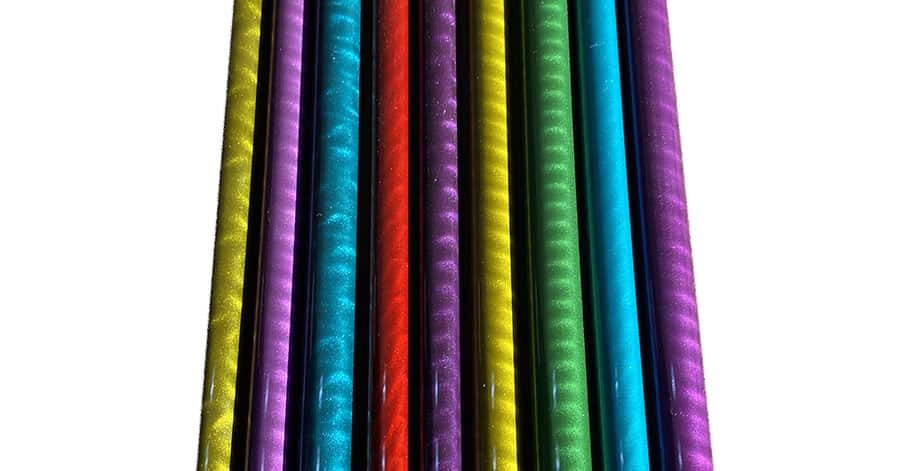
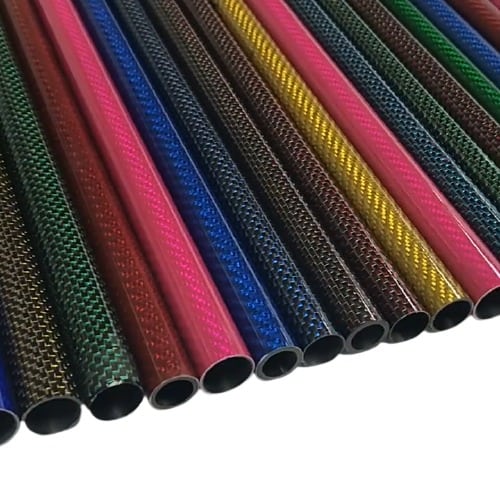
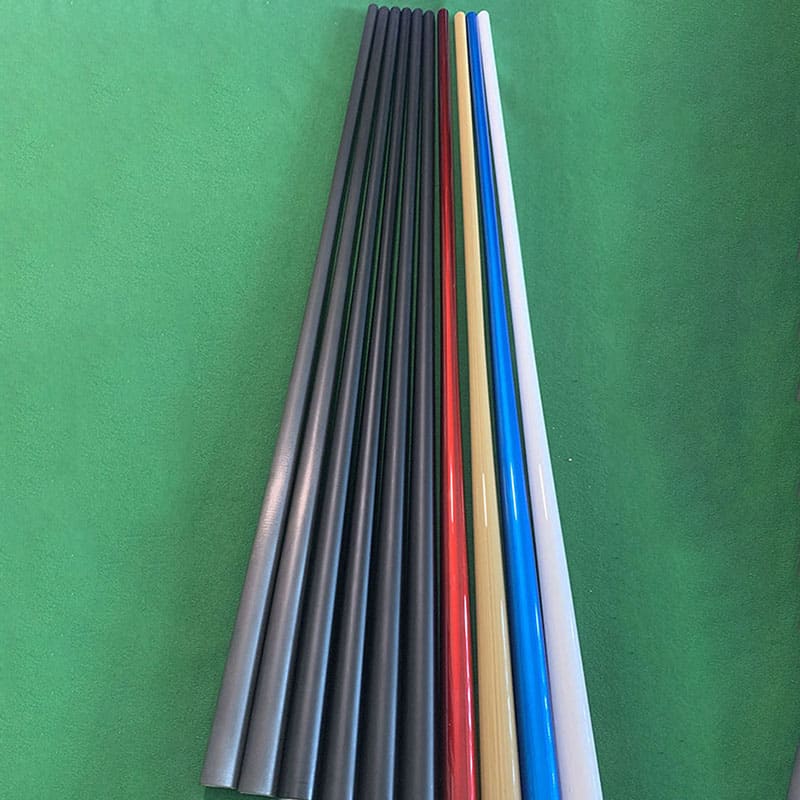
Carbon Fiber Pipe Colors
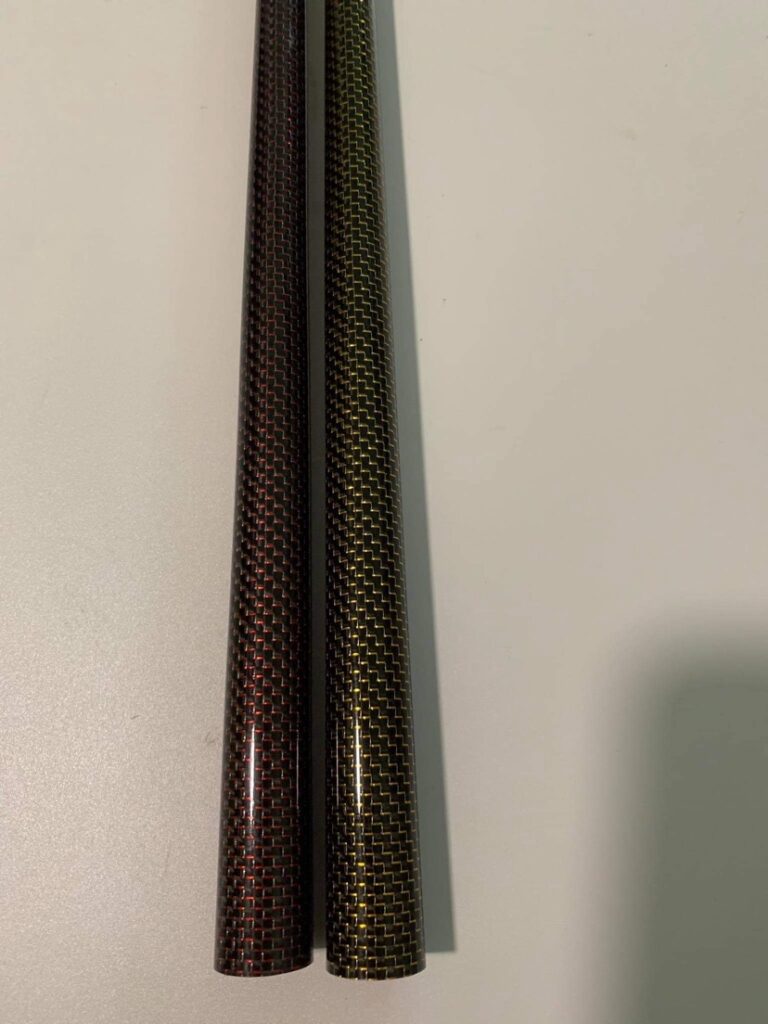
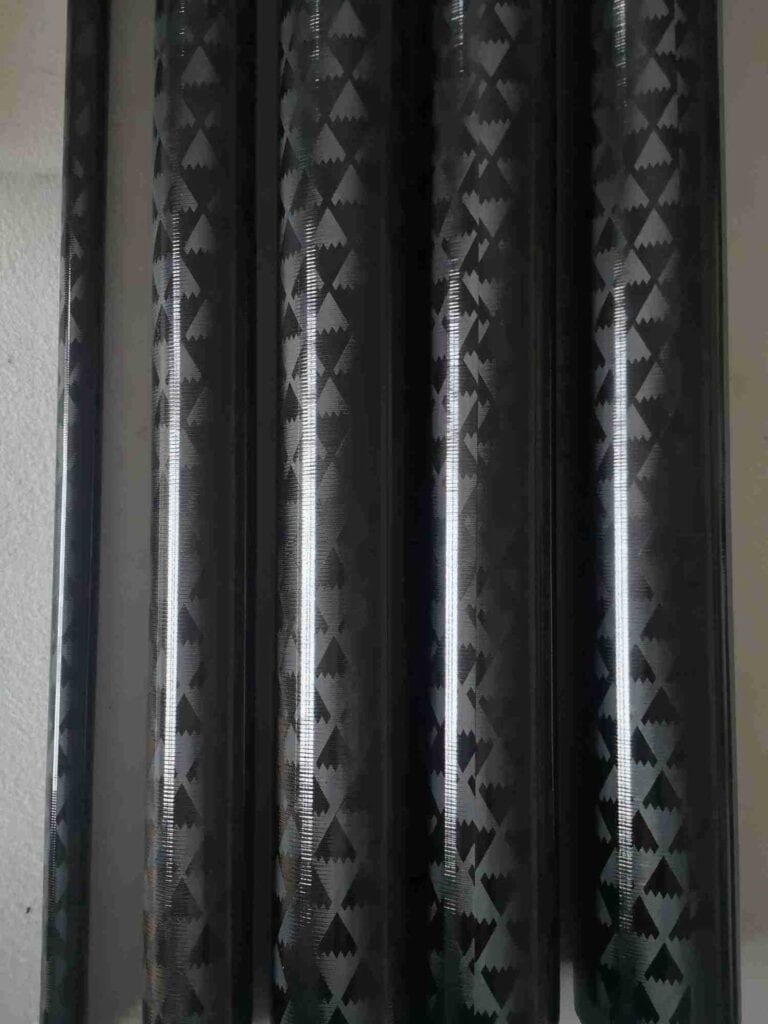
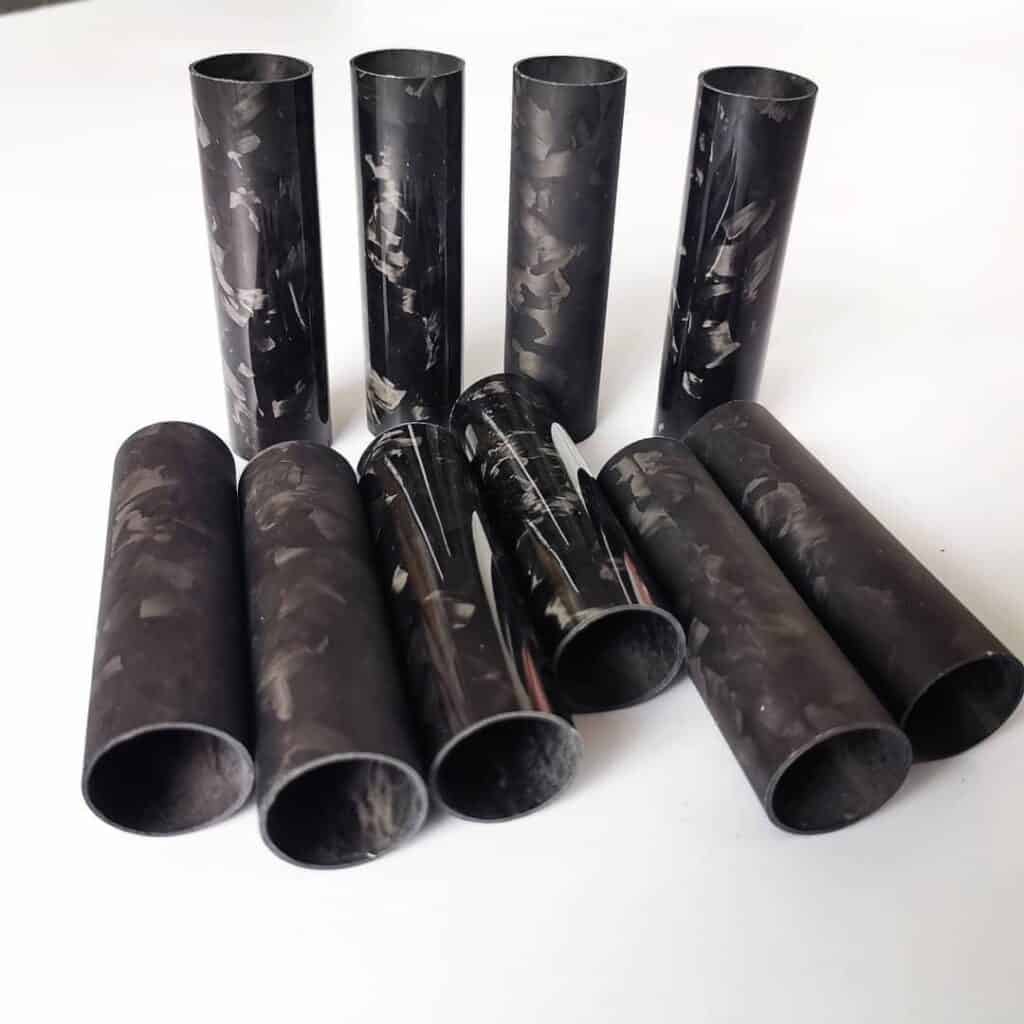
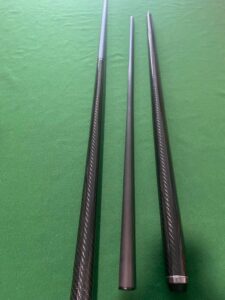
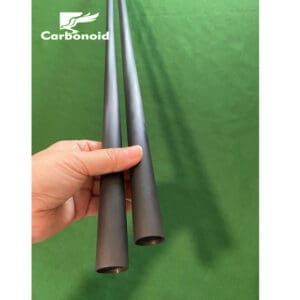
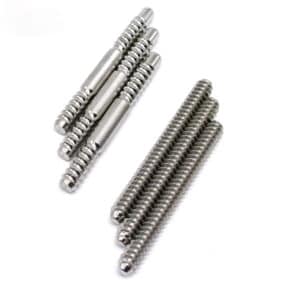
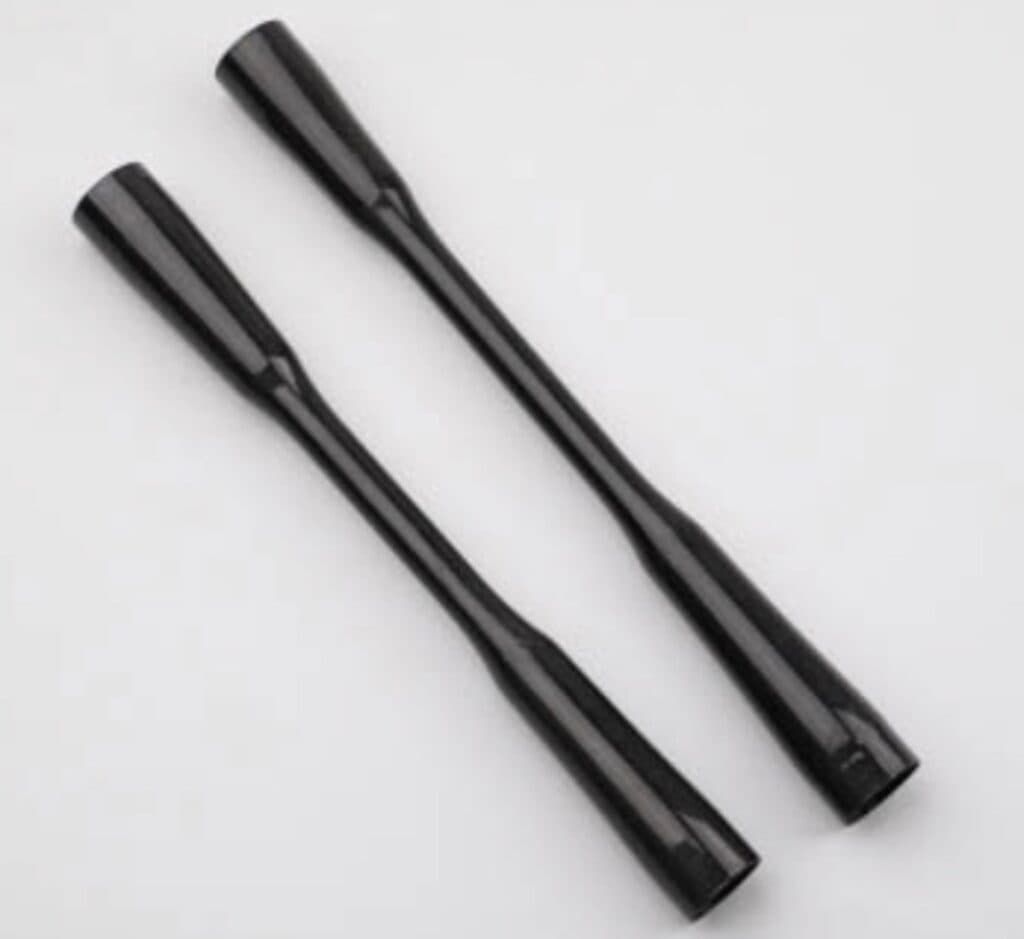
Carbon Tube Shape
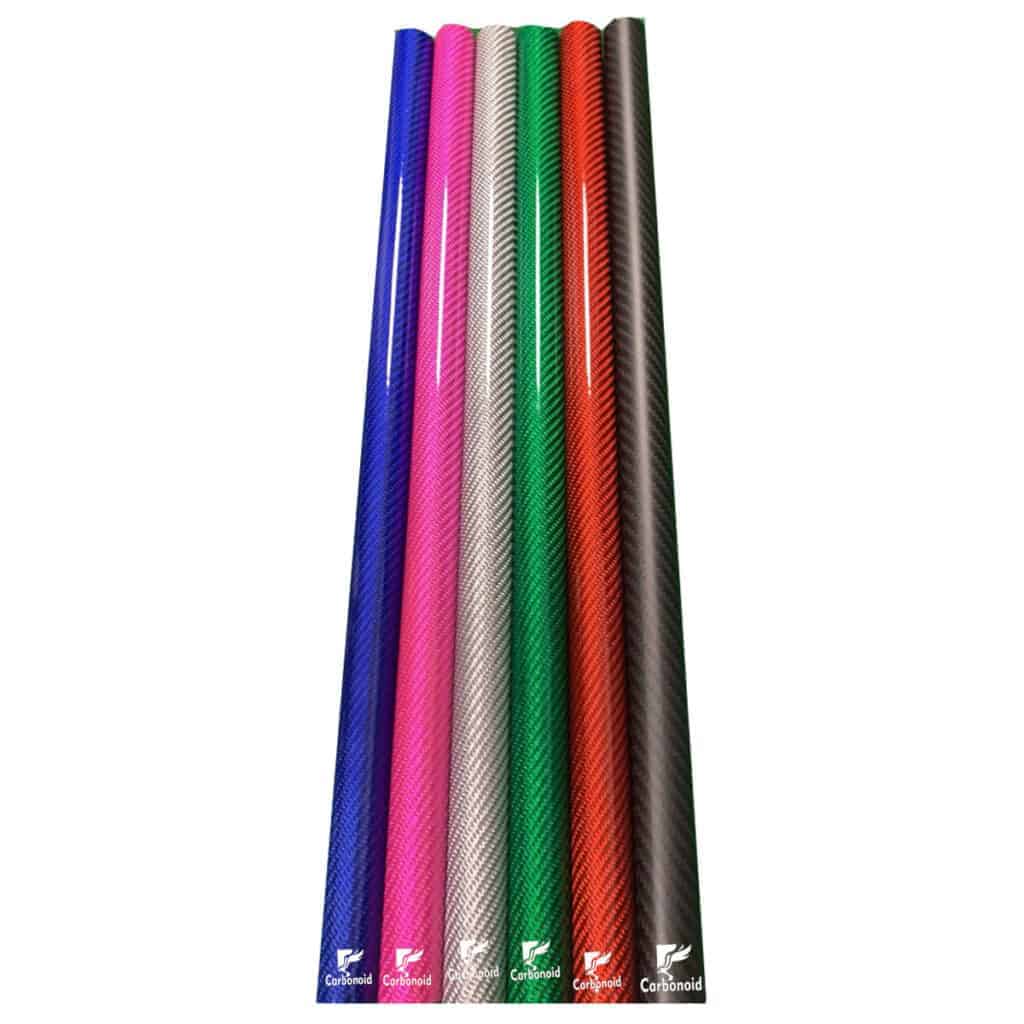
Please advise if you need any other sizes of blank carbon fiber shafts, Carbon Fiber Butt Tubes, or Carbon Fiber Tubes; we will quote you the price and arrange samples for you.
Or please go back to the Homepage to review more products and blogs. Thank you.
Don’t hesitate to contact us by email at [email protected] or on Facebook if you have any questions. Thank You!